Is your ECA or EASR still valid? Why Ontario noise approvals go out of date
 Derek Flake, M.Sc., P.Eng.Principal · 18 November 2026
Most facility owners know whether they have an environmental air and noise permit. Fewer know whether it still covers what is on the roof today.
In Ontario, sound is regulated like any other emission. A site with fans, compressors, refrigeration, process exhaust or dust collectors usually needs provincial permission to run them: an Environmental Compliance Approval (ECA), or a registration on the Environmental Activity and Sector Registry (EASR). In our experience, a surprising number of facilities have the wrong one, an outdated one, or none at all.
It rarely comes up on its own. It tends to surface at a bad time: a neighbour complaint, a ministry inspection, the sale or refinancing of the business, or an expansion that cannot start until the permit is amended.
And the ministry is now looking. In June 2026 it began closer reviews of existing EASR registrations, some on paper and some on site, and said that registrants who do not respond may be referred to compliance officers.
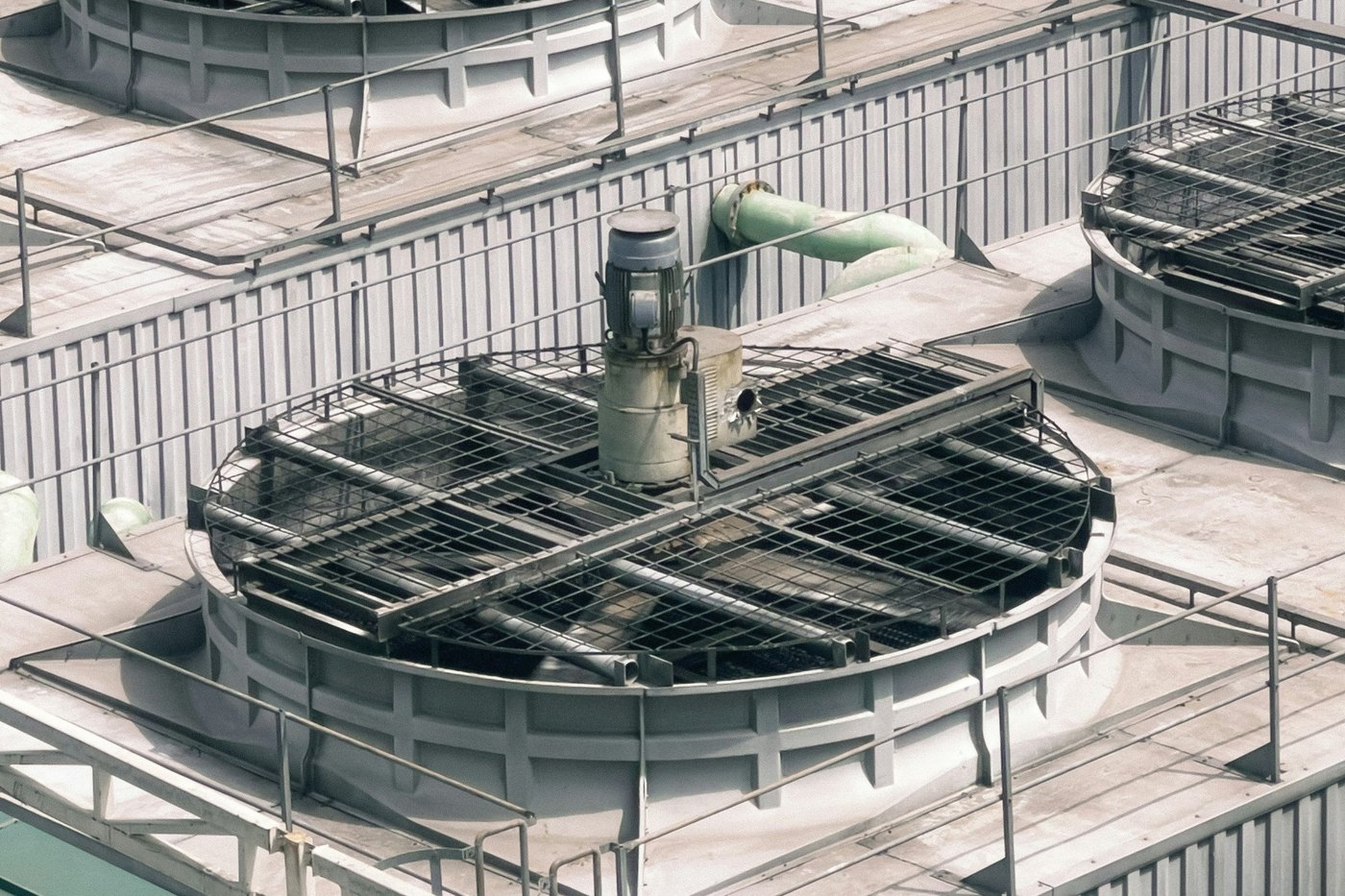
ECA, EASR or exempt: which applies to your facility
Every site with equipment that discharges to air falls into one of three places, and sound counts as a discharge.
Exempt.
O. Reg. 524/98 lists equipment that needs no permit at all. For many sites the relevant entries are comfort heating and cooling, a staff kitchen or cafeteria, and a standby generator used only during outages, each subject to conditions set out in the regulation. Trucks coming and going do not, on their own, require a permit.
The catch is that the exemption only works if everything on site is exempt. Add one piece of equipment that is not, a process exhaust fan or a dust collector, and the whole site needs a permit. At that point the trucks and the generator are assessed along with everything else.
EASR registration.
Since 2017, most manufacturing and processing sites, such as those in the food and beverage industry, register on the EASR under O. Reg. 1/17 instead of applying for an ECA. Registration is faster, but it is self-directed: there is no ministry review up front, and the facility carries responsibility for its own compliance. That includes a noise report sealed by a licensed engineer, updated before any change that affects sound and redone at least every ten years.
One detail catches producers out. The exemption for food preparation covers restaurants and cafeterias, not production for wholesale or retail.
ECA.
Some facilities are not eligible for the EASR and still need a site-specific approval reviewed by the ministry. Examples include meat slaughtering and processing, vegetable oil and starch manufacturing, sites that burn biogas or biomass, and waste disposal or thermal treatment.
Whichever route applies, an ECA or an EASR registration rests on two technical studies: an air emissions study and an Acoustic Assessment Report. They are separate disciplines, and each belongs with an experienced specialist in that field.
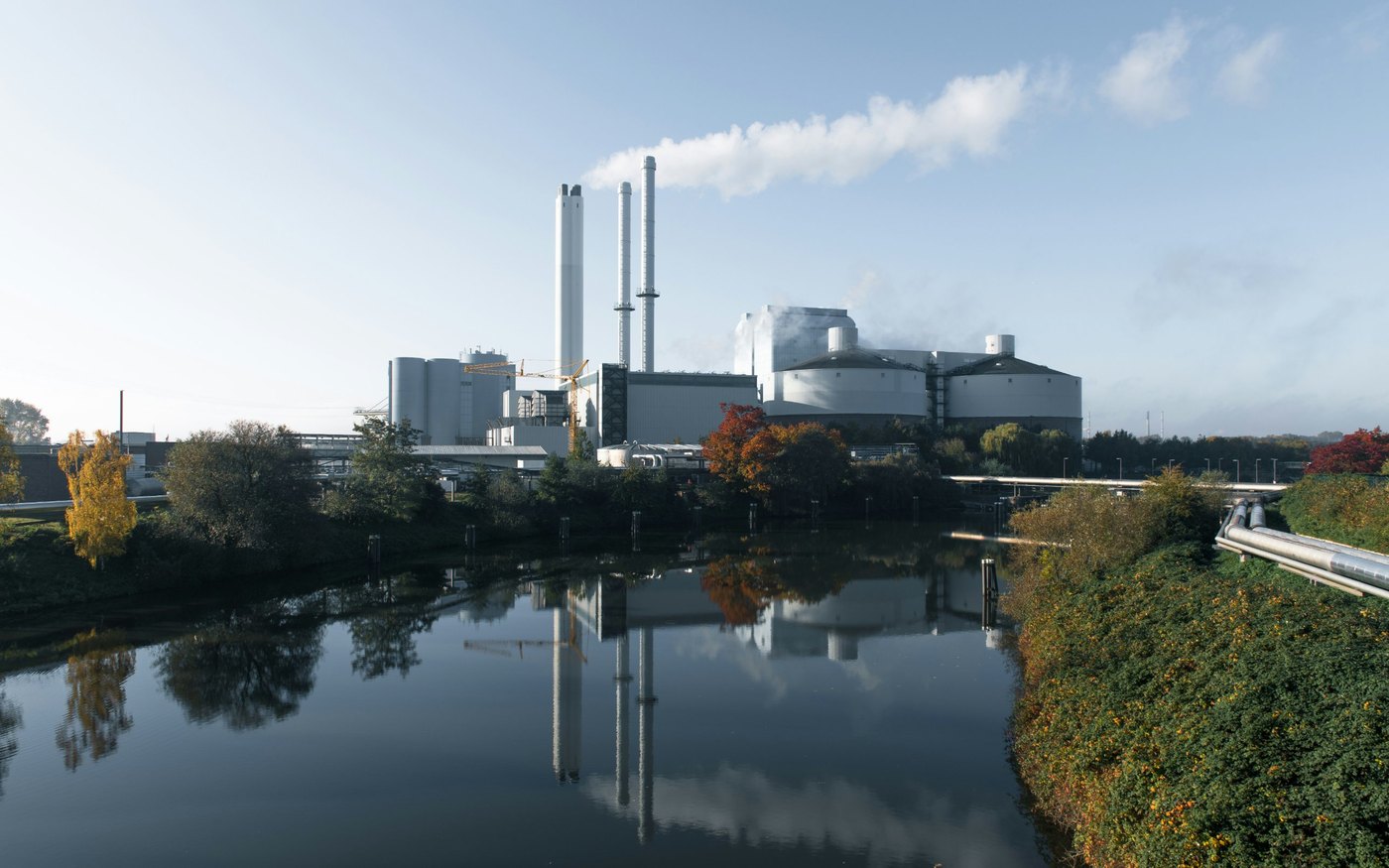
What has changed in Ontario noise approvals
Many facilities last dealt with their permit 10 to 15 years ago. A good deal has moved since then.
In 2013, the ministry’s noise guideline NPC-300 replaced the older guidelines and added rules for housing built close to existing industry. That matters more every year as residential development reaches older industrial areas.
In 2017, the EASR arrived for air and noise, and the list of exemptions was widened so that many simple sites no longer needed a permit at all. It was widened again in September 2026 to take in most equipment at warehouses and distribution facilities. Facilities with existing ECAs were given ten years, to January 31, 2027, to move to the EASR.
That deadline is still in force, though it is under review. In August 2026, the province proposed replacing it with a change-based trigger: an existing ECA would stay in force until the facility makes a change that would otherwise need an amendment, and the facility would register then. As of November 2026, that is still a proposal.
Either way, the practical answer is the same. A new line, a rooftop unit, a process chiller or a building expansion is the point where the permit question gets asked. It is far easier to answer before the equipment is ordered than after it is running.
Five questions to ask about your ECA or EASR
Owners do not need to work through the regulations themselves. These are the questions worth putting to whoever looks after environmental compliance.
Does our ECA or EASR match the equipment on site today?
Not the equipment when it was issued. The two drift apart quietly.
What have we added since?
New lines, rooftop units, chillers, dust collectors, more nighttime shipping. Each may have needed an update.
If we rely on an exemption, is everything on site exempt?
And is the generator test log up to date?
When was our noise report last sealed?
For an EASR registration, ten years is the limit.
Have new homes or schools gone up nearby?
New neighbours change where the limits apply, and who is likely to call.
None of this means every facility has a problem. Many are fine. The point is to know which group you are in before a neighbour, an inspector or a buyer asks the question for you.
Bentham Acoustics
Bentham Acoustics is a specialist acoustics, noise and vibration consultancy working across Canada, covering building and architectural acoustics alongside environmental noise and vibration.
Bentham’s engineers bring nearly two decades of experience with provincial noise approvals in Ontario: Acoustic Assessment Reports for ECAs and EASR registrations, noise control design for manufacturing plants, truck yards, distribution campuses and data centres, complaint investigations, and expert evidence at the Ontario Land Tribunal. The lesson from that work is that a permit problem is easiest to fix before anyone is asking about it.
If you are not sure which permit your facility needs, or whether the one you have still fits, get in touch.
More insights